.svg)
.svg)
Polyethylene (PE) Tubing
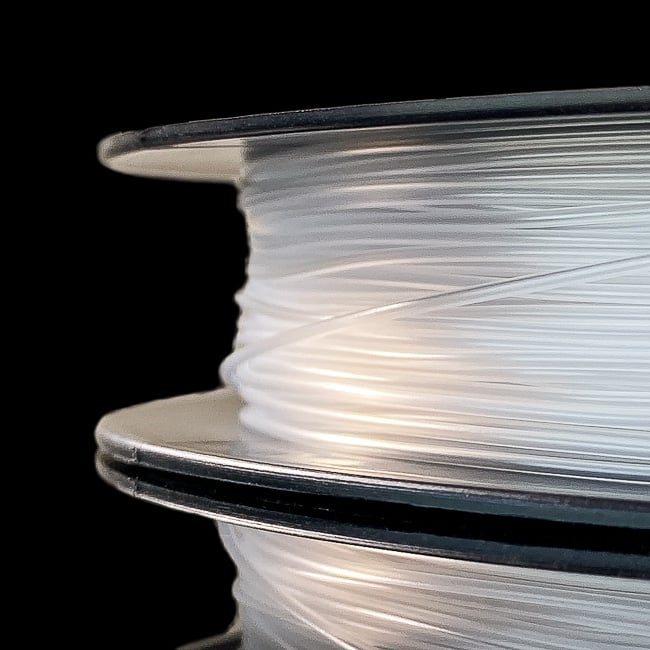
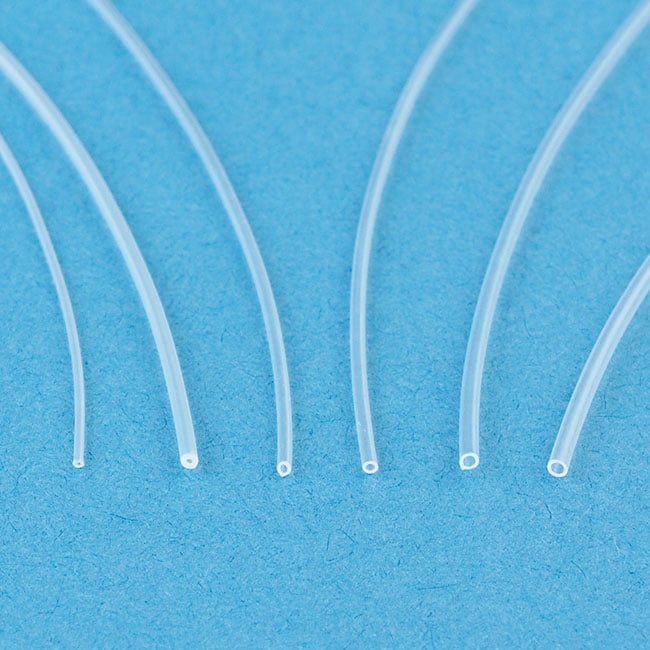
Instech polyethylene (PE) tubing offers excellent compound compatibility and low air permeability for use in rodent infusion and sampling systems. Low-density formulation (LDPE) comparable to Intramedic™ tubing. PE-50 is the most common size, fitting 22ga swivels, luer stubs, couplers, and PinPorts. Sold non-sterile on 30m (98ft) spools in six sizes from PE-10 to PE-90.
Polyethylene (PE) Tubing for Research Applications
PE tubing is one of the most commonly used tubing types in laboratory research, offering excellent compound compatibility and low air permeability. Instech's low-density polyethylene (LDPE) formulation and size range are comparable to Intramedic™ tubing at a significantly lower cost.
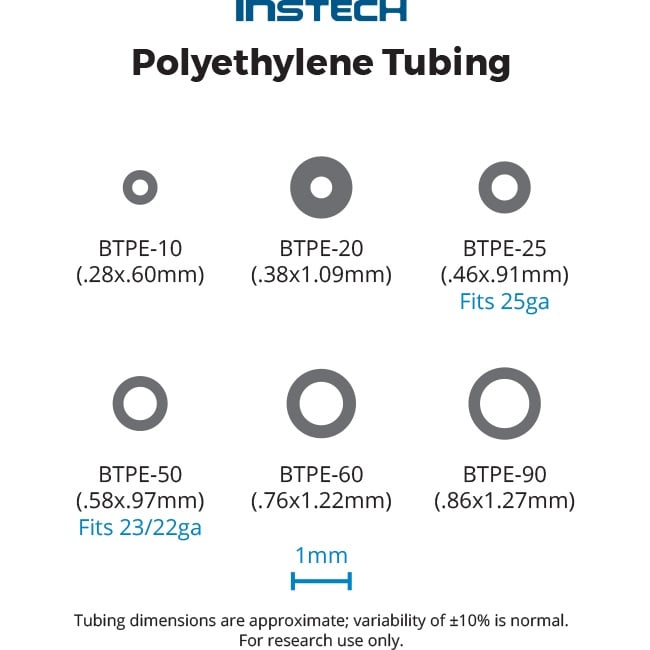
PE-50 is the most common size, compatible with 22ga swivels, luer stubs, couplers, and PinPorts. BTPE-25 is a custom size designed to mate with 25ga devices. For applications where kinking is a concern, Instech also offers co-extruded PE/PVC tubing with an outer PVC layer for added flexibility.
Specifications
- Sold non-sterile on spools of 30m (98ft)
- Do not autoclave
- Not for human use
- Not recommended for intravascular catheters due to stiffness - polyurethane is preferred for intravascular applications
- Always follow aseptic technique per animal welfare regulations; any tubing implanted in a survival surgery must be sterile
Available Sizes
- BTPE-10 - PE-10, 0.011 × 0.024 in
- BTPE-20 - PE-20, 0.015 × 0.043 in
- BTPE-25 - fits 25ga, 0.018 × 0.036 in
- BTPE-50 - PE-50, fits 22ga, 0.023 × 0.038 in
- BTPE-60 - PE-60, fits 20ga, 0.030 × 0.048 in
- BTPE-90 - PE-90, 0.034 × 0.050 in
Features
- Stiff - maintains shape under pressure
- Good compound compatibility
- Low air permeability
Expert Support
Instech Laboratories provides dedicated application support for research tubing selection and system setup. NBT Ltd distributes Instech products in Israel and provides full local technical support and protocol guidance.
.webp)

Animal Infusion
Explore All ProductsInstech Publications
Academic publications and research studies utilizing Instech laboratory products, sourced from Google Scholar.
What is the Polyethylene (PE) Tubing and what is it used for?
Instech polyethylene (PE) tubing offers excellent compound compatibility and low air permeability for use in rodent infusion and sampling systems. Low-density formulation (LDPE) comparable to Intramedic™ tubing. PE-50 is the most common size, fitting 22ga swivels, luer stubs, couplers, and PinPorts. Sold non-sterile on 30m (98ft) spools in six sizes from PE-10 to PE-90.
What research applications is the Polyethylene (PE) Tubing suited for?
The Polyethylene (PE) Tubing is suited for researchers in neuroscience, behavioral science, physiology, and related life science fields. It is designed to support experimental workflows that require reliable, high-quality data acquisition and analysis.
What are the key technical features of the Polyethylene (PE) Tubing?
The Polyethylene (PE) Tubing (catalog number: ITH-BTPE) is engineered for precision performance in laboratory settings. It offers user-friendly operation, robust construction, and compatibility with standard laboratory workflows to maximize experimental efficiency and reproducibility.
Is the Polyethylene (PE) Tubing available in Israel with local support?
Yes. NBT Ltd is the exclusive distributor of this product in Israel. Our team of scientific specialists provides full local support including installation, application training, and ongoing technical assistance for the Polyethylene (PE) Tubing.
What accessories or systems is the Polyethylene (PE) Tubing compatible with?
The Polyethylene (PE) Tubing is designed to integrate seamlessly with complementary laboratory instruments and software used in its application domain. NBT Ltd can advise on compatible accessories, consumables, and system configurations to meet your specific research needs.
Still have questions?
Request for Quote
Please fill in as much details as possible and we will take care of your request as soon as possible
Request for Quote
Please fill in as much details as possible and we will take care of your request as soon as possible