.svg)
Research Spotlight: RWD Stereotaxic System at the Tal Iram Lab, Weizmann Institute of Science
A closer look at how Dr. Tal Iram's lab at the Weizmann Institute of Science is using two RWD Stereotaxic Stations to perform high-precision in vivo surgeries in their research on oligodendrocyte aging, CSF dynamics, and cognitive rejuvenation.
Where Precision Engineering Meets Molecular Neuroscience
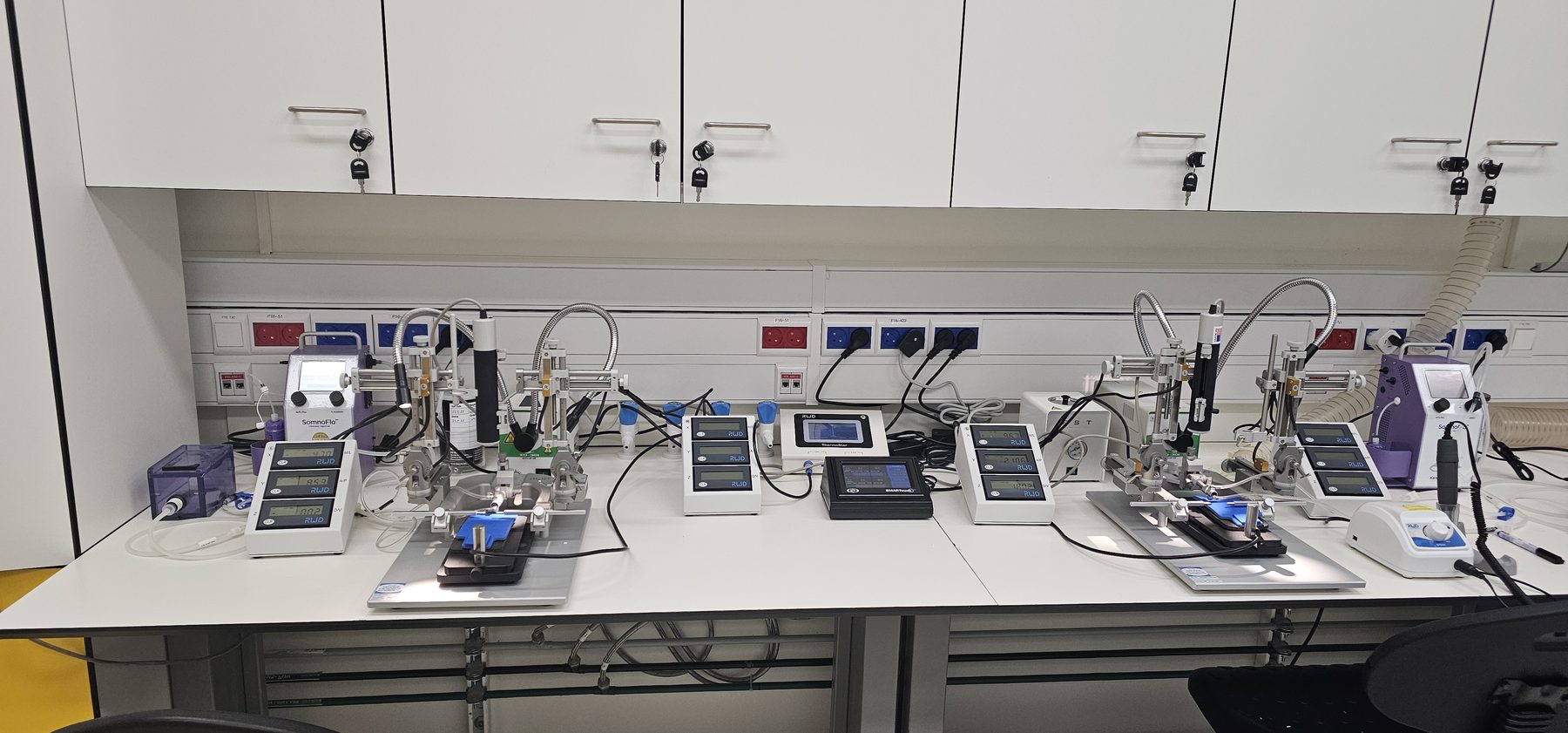
At the Tal Iram Lab in the Department of Molecular Neuroscience at the Weizmann Institute of Science, understanding why the brain ages, and how that process might be reversed, demands tools that can match the precision of the questions being asked. That's why the lab has built a dedicated surgical suite centered around the RWD Stereotaxic System, enabling accurate in vivo targeting of brain structures for their studies on oligodendrocyte biology, cerebrospinal fluid dynamics, and cognitive rejuvenation.
The RWD Stereotaxic System
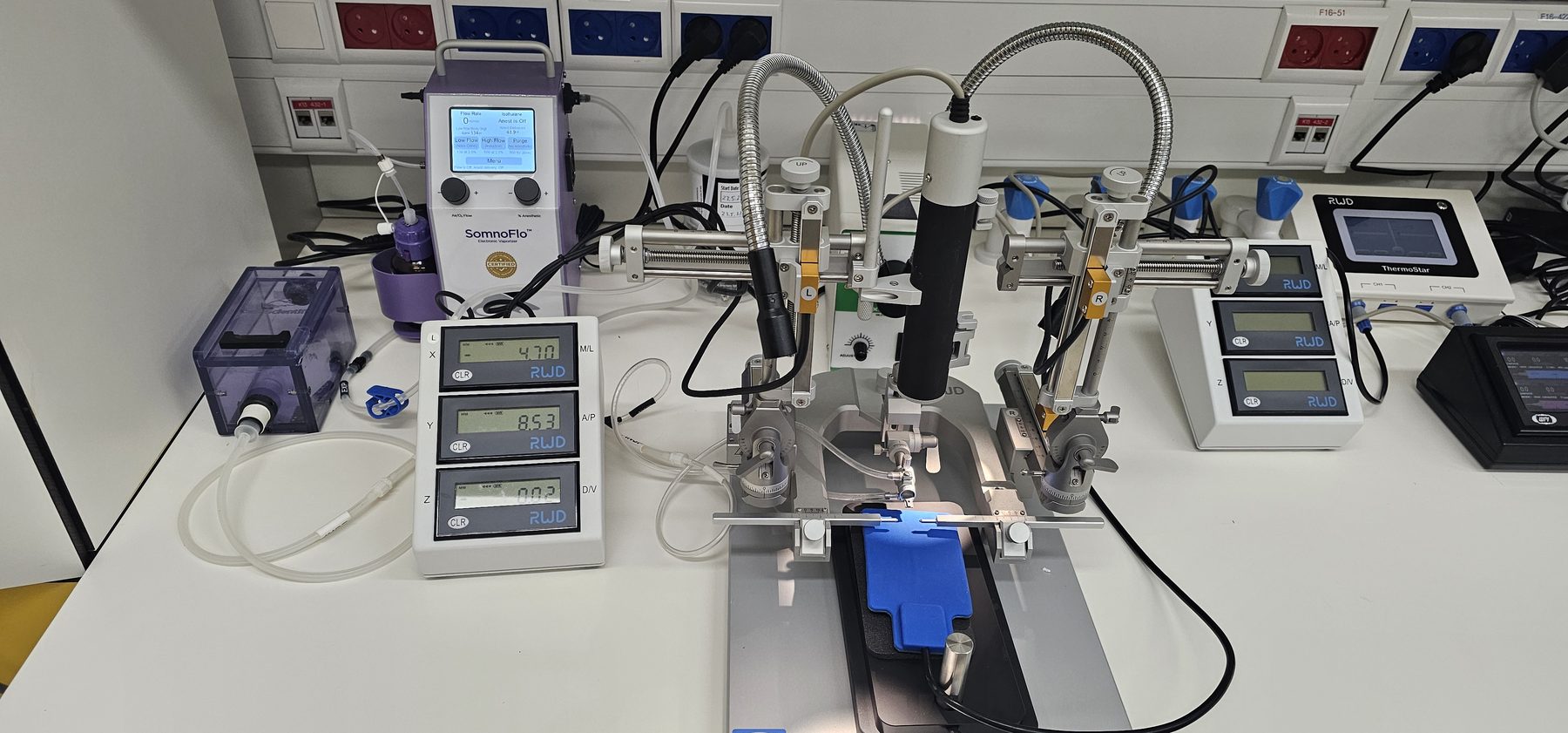
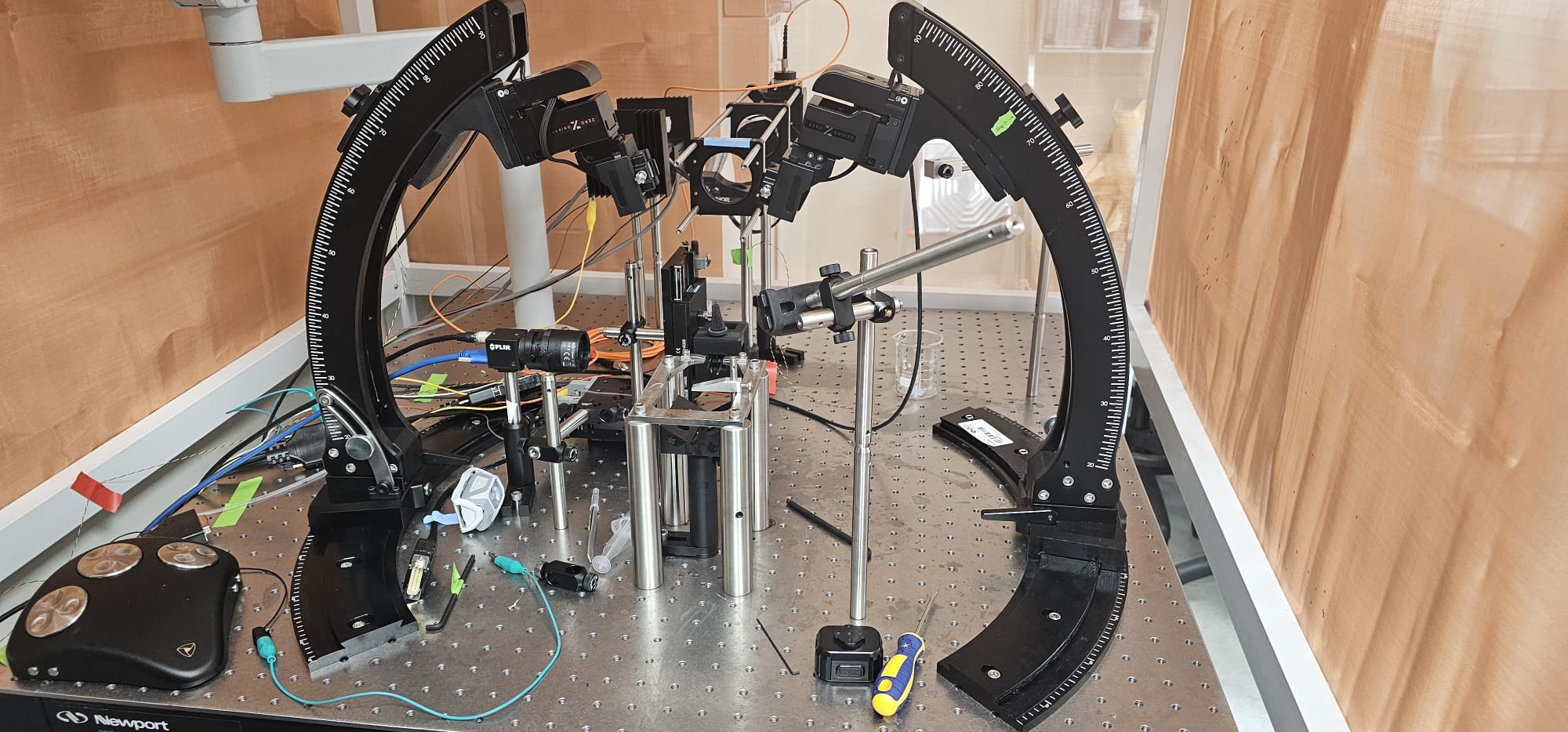
The RWD stereotaxic platform is a high-precision surgical system engineered specifically for rodent neuroscience research. At the heart of each station is a rigid, vibration-resistant frame supporting dual-arm manipulators with digital position readouts across three axes - Medial/Lateral (X), Anterior/Posterior (Y), and Dorsal/Ventral (Z), providing sub-millimeter accuracy for targeting discrete brain nuclei according to atlas coordinates.
The lab's installation spans two complete, independent workstations, each equipped with the RWD digital display controller, a SomnoFlo® Electronic Vaporizer for precisely controlled isoflurane anesthesia delivery, and a warming platform to maintain body temperature throughout surgery. The RWD digital readout controller displays real-time coordinates, allowing researchers to navigate to target sites reliably and repeatably, which is critical for bilateral injection experiments that require matched positioning across both hemispheres.
This level of positional accuracy is especially important for the Iram Lab's workflow, where viral vectors, CSF components, or pharmacological agents must be delivered to discrete targets such as the hippocampus or corpus callosum with high consistency across animals and experiments.
Dr. Tal Iram's Lab: Unlocking the Biology of Brain Aging
Dr. Tal Iram is a faculty member in the Department of Molecular Neuroscience at the Weizmann Institute of Science. Her lab's central question is deceptively simple: why does the brain age, and can that process be reversed? The focus is on the oligodendrocyte lineage: the family of glial cells responsible for producing and maintaining myelin, the insulating sheath that enables fast neural communication. As the brain ages, oligodendrocyte precursor cells lose their regenerative capacity, contributing to cognitive decline and increased vulnerability to neurodegenerative disease.
One of the lab's landmark findings, published in Nature, demonstrated that infusing cerebrospinal fluid (CSF) from young mice into aged animals could restore oligodendrocyte precursor proliferation and improve memory, with fibroblast growth factor 17 (FGF17) identified as a key rejuvenating factor. Translating these insights into mechanistic understanding requires precisely controlled in vivo interventions: stereotaxic injections of viral vectors, recombinant proteins, or CSF components into specific brain regions of living mice. This is where the RWD system sits at the center of the lab's experimental workflow.
With two independent stereotaxic stations now in operation, the Iram Lab can run multiple surgeries in parallel, increasing experimental throughput without sacrificing the positional accuracy that their science demands.
Supporting Israeli Neuroscience at the Frontier of Brain Aging Research
The installation of two RWD stereotaxic stations at one of the world's leading life science institutes reflects the ambition of the research and the importance of scalable, reliable surgical infrastructure. As questions about brain rejuvenation, myelin dynamics, and CSF-mediated signaling become increasingly central to neuroscience and neurodegenerative disease research, the tools supporting these experiments must be equally robust. NBT is proud to support the Tal Iram Lab's mission and looks forward to following the discoveries that emerge from this state-of-the-art surgical facility at the Weizmann.
NEED MORE INFORMATION ABOUT THIS PRODUCT?
Send us your emailRecent Blog Posts

.svg)
Advance Your Research
Contact NBT today for expert consultation on your neuroscience instrumentation needs.