.svg)
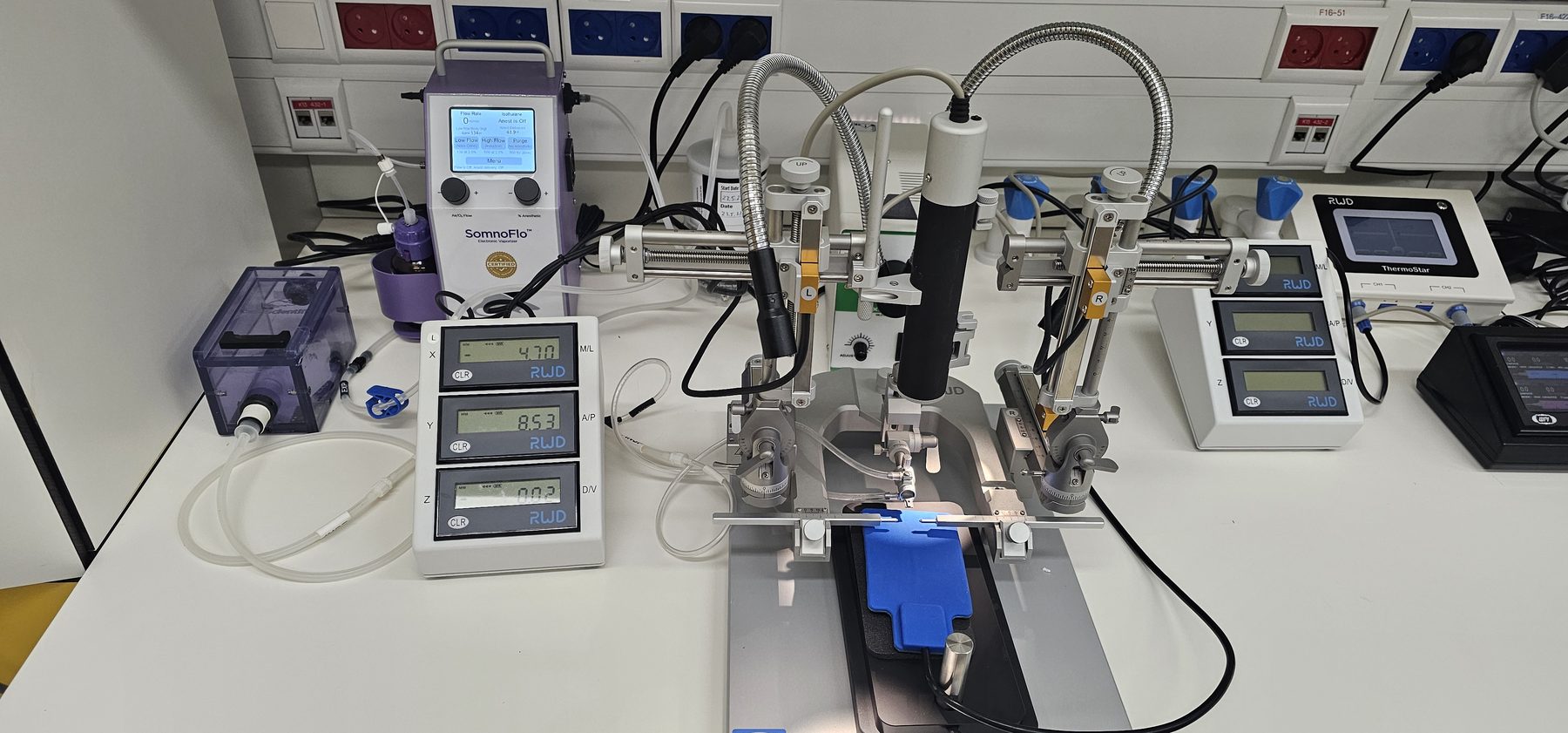
Research Spotlight: SomnoFlo Electronic Vaporizer at the Ben Shaanan Lab, Weizmann Institute of Science
A look at how Dr. Tamar Ben Shaanan's lab at the Weizmann Institute of Science is using the Kent Scientific SomnoFlo® Electronic Vaporizer to deliver precisely controlled isoflurane anesthesia in their work on pain, nociceptors, and tissue regeneration.
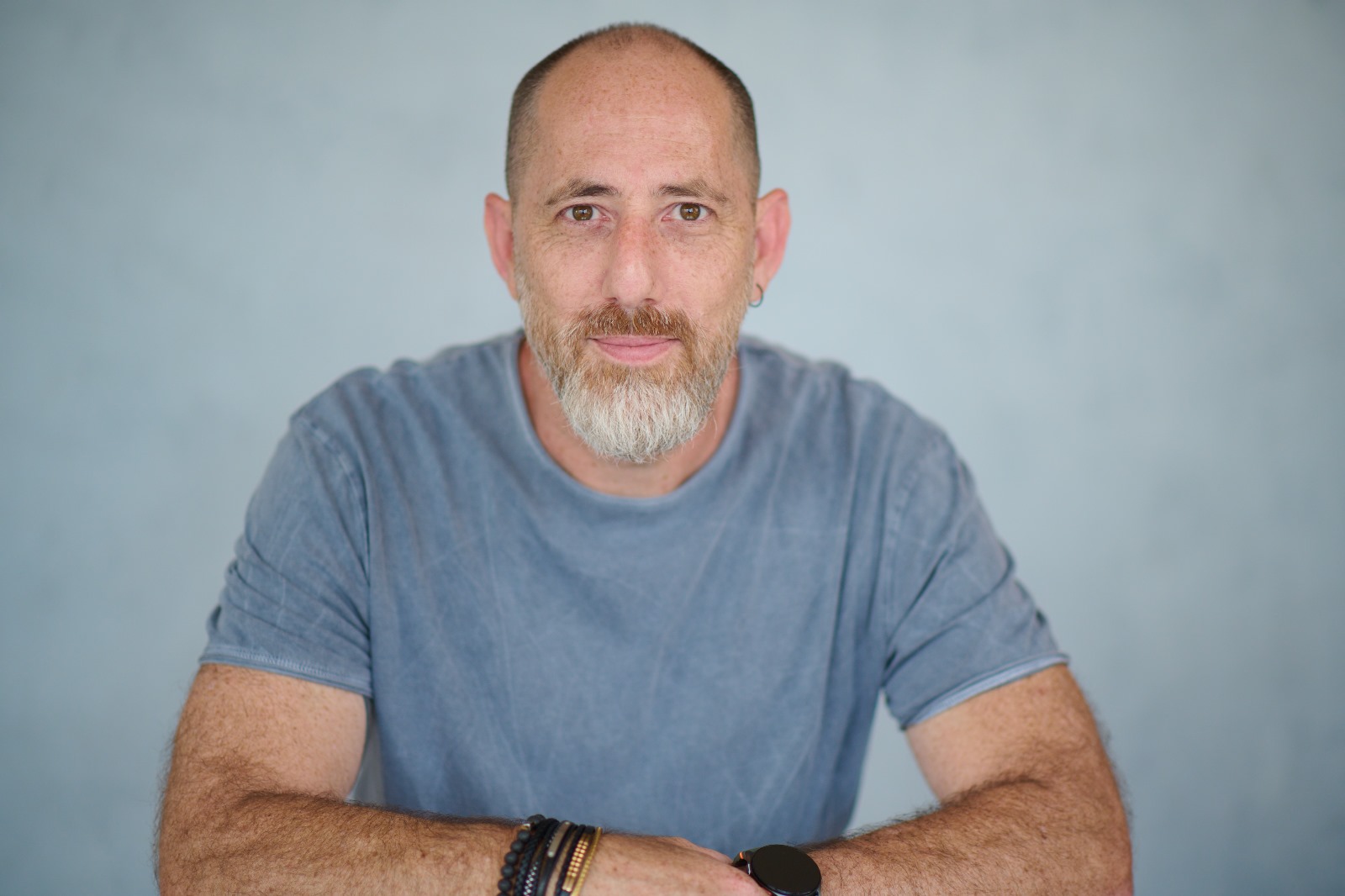


Where Pain Biology Meets Precision Anesthesia
At the Ben Shaanan Lab in the Department of Molecular Neuroscience at the Weizmann Institute of Science, the central question is one that touches every living organism: how does pain, a complex sensory and emotional experience, shape the body's response to injury, and can that pathway be harnessed for tissue regeneration? Answering it requires in vivo experiments where every variable counts, including the depth and stability of anesthesia. That's why the lab's surgical setup is built around the Kent Scientific SomnoFlo® Electronic Vaporizer, a calibration-free anesthesia system designed specifically for rodent research.
The SomnoFlo® Electronic Vaporizer
The SomnoFlo is Kent Scientific's next-generation isoflurane delivery platform, the first vaporizer engineered from the ground up for small animal research rather than adapted from a clinical device. Unlike traditional flowmeter-style vaporizers that require annual recalibration and bulky compressed gas cylinders, the SomnoFlo uses an integrated air compressor and an electronic, sensor-driven anesthetic delivery system that is fully calibration-free for the life of the unit.
The system delivers isoflurane concentrations from 0% to 5% with sub-percent precision, with independently controlled airflow from 50 to 1500 mL/min - the right range for mice through small rats. Real-time digital feedback on the touchscreen confirms exactly what the animal is breathing at every moment, and the closed-circuit design dramatically reduces both isoflurane consumption and waste gas exposure for personnel.
For a lab running careful longitudinal experiments, this matters: stable, repeatable anesthesia depth means lower variability between animals and between sessions, which translates directly into cleaner data.
Dr. Tamar Ben Shaanan's Lab: Pain as a Driver of Tissue Physiology
Dr. Tamar Ben Shaanan is a faculty member in the Department of Molecular Neuroscience at the Weizmann Institute of Science. Her lab investigates a fundamental and underexplored question: beyond its role as a warning signal, how does pain actively shape the way tissues respond to injury and recover from it? The work centers on nociceptors (the specialized sensory neurons that detect noxious stimuli) and the cellular pathways by which they communicate with tissue-resident immune cells, fibroblasts, and other local players.
During her postdoctoral work at UCSF, Dr. Ben Shaanan demonstrated that activation of dermal TRPV1 nociceptors triggers regenerative cycling in dormant hair follicles, mediated by macrophage apoptosis and the neuropeptide CGRP, a finding published in Developmental Cell. Earlier work from her PhD at the Technion, published in Nature Communications, showed that activating the brain's reward system enhances anti-tumor and antibacterial immunity, contributing to the growing field of brain–immune crosstalk.
At the Weizmann, her independent lab now extends this line of inquiry using mouse genetics, high-resolution genomics, and targeted in vivo manipulations to map how nociceptor activity directs tissue physiology in both healthy and injured states. Many of these experiments (viral vector delivery, chemogenetic and optogenetic activation, tissue harvesting at defined post-injury timepoints) depend on consistent, well-controlled isoflurane anesthesia.
Supporting Israeli Pain Neuroscience at the Frontier
The installation of a SomnoFlo Electronic Vaporizer at the Ben Shaanan Lab reflects a deliberate choice to invest in modern, calibration-free anesthesia infrastructure that matches the precision of the science. As the field of nociceptor biology continues to reveal unexpected connections between sensory neurons and tissue physiology, with implications for chronic pain, wound healing, and regenerative medicine, the experimental tools supporting this work need to be both reliable and adaptable. NBT is proud to support the Ben Shaanan Lab's mission and looks forward to following the discoveries that emerge from this growing program at the Weizmann Institute.
NEED MORE INFORMATION ABOUT THIS PRODUCT?
Send us your emailRecent Blog Posts

.svg)
Advance Your Research
Contact NBT today for expert consultation on your neuroscience instrumentation needs.