.svg)
Microfluidics in Cosmetic Research: Improved Formulations and Smarter Testing
Microfluidics is revolutionizing cosmetic research by enabling precise emulsion formulation, high-throughput testing, and ethical skin-on-a-chip models as alternatives to animal testing.

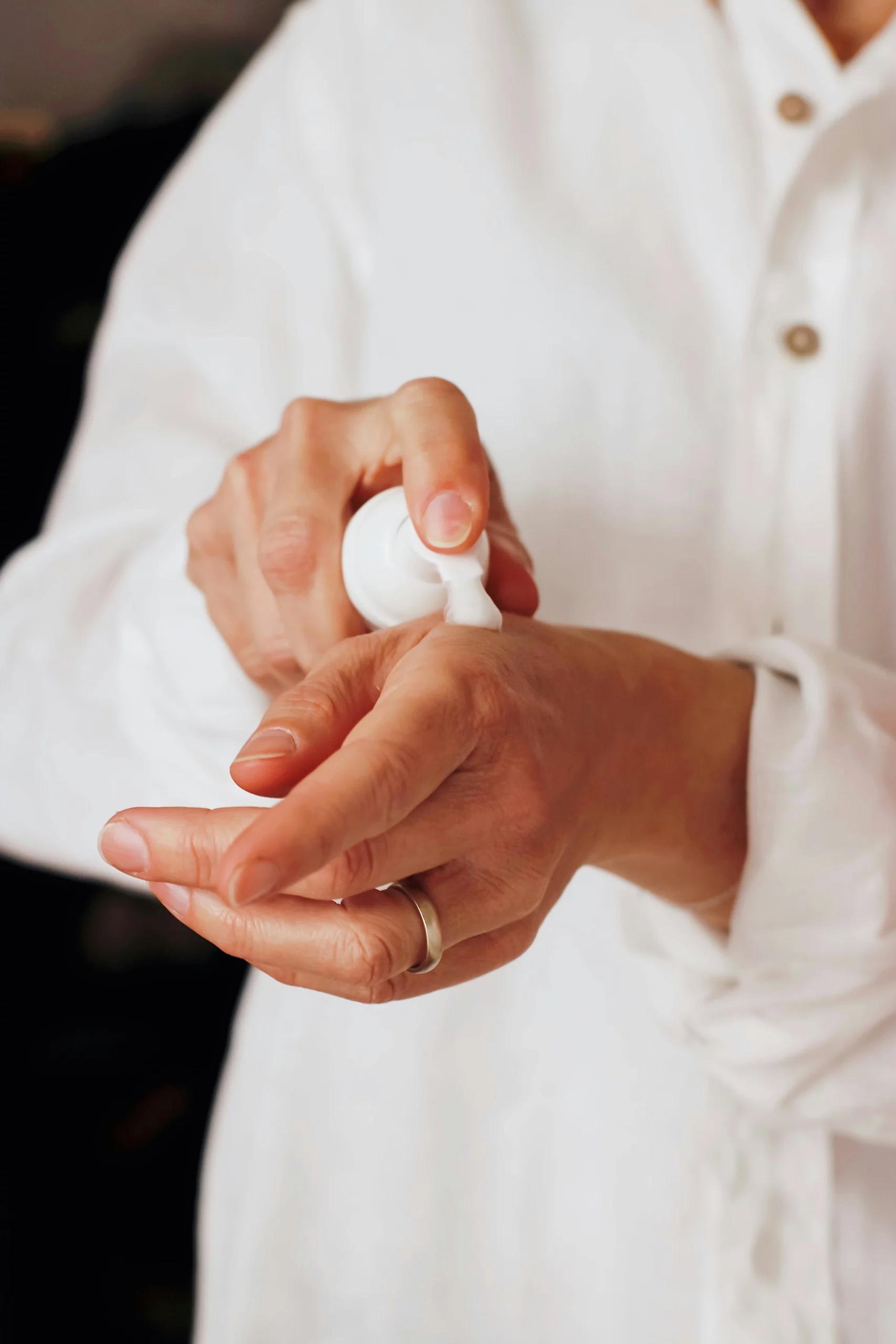
Cosmetic development is under pressure from two directions, ethics and regulation that restricts or prohibits animal testing. In 2004 the European Parliament banned the commercialization of cosmetic products tested on animals. Microfluidic technology has turned into one of the answers to that. Recreating complex human models on a microscale gives a reproducible and ethical route to evaluating a cosmetic product without an animal.
How Microfluidics Is Improving the Cosmetics Industry
Microfluidics is the controlled manipulation of microscale fluid volumes within microchannels. Smaller volumes cost less. They also repeat better and scale into larger test batches. For cosmetics that shows up in two places, formulation and biological testing.
Microfluidic systems operate under laminar flow conditions, which gives predictable mixing and efficient heat and mass transfer. Sensitive cosmetic actives survive it. A typical setup is microfluidic chips built on biocompatible materials such as PDMS, COC or glass, precision flow control instruments, and software for monitoring and controlling the experiment.
Microfluidic Technologies for Cosmetic Formulation
Formulation control is the key parameter in cosmetics, whether the aim is protecting an active molecule or hitting a specific texture. Usually that means a water-in-oil or oil-in-water emulsion, and droplet-based microfluidics creates those precisely. The researcher controls the formulation variables directly, which is what produces better delivery mechanisms and more stable cosmetic products.
Stabilizing Emulsions: conventional emulsification techniques give broad size distributions, and microfluidic methods have addressed that. Controlled droplet generation produces monodisperse emulsions, which cosmetic products need for their visual aesthetics and which improves performance at the same time.
Microextraction of Actives: magnetic solid phase extraction (MSPE) has shown promise in isolating active compounds from complex samples. Microfluidics allows preconcentration of the target analytes with minimized dispersion.
Microcapsules and Nanoparticles: most cosmetic formulations need the actives encapsulated. One approach generates microcapsule structures with various shell thicknesses to enhance UV absorption efficiency while reducing direct contact with the skin. Microfluidic production controls the size and the membrane properties of those microcapsules, which is what makes them usable for UV protection that is both effective and safe.
Toxicology Testing with Microfluidics and Skin-on-a-Chip
Banning animal testing in cosmetics created an urgent demand for reliable in vitro models. Microfluidic systems, and microphysiological systems (MPSs) in particular, answer that demand by replicating human organ functions on chips.
Multi-Organ Systems: MPS platforms now integrate skin, liver and intestinal tissue models within a single device. Flow control in microfluidics gives a more realistic evaluation of systemic toxicity and carcinogenicity, and lets researchers study endocrine disruption and systemic responses before a product reaches the market.
Advanced Ocular Irritation Tests: microfluidic devices have been developed that mimic the hen's egg test-chorioallantoic membrane (HET-CAM) assay for eye irritation, using human umbilical vein endothelial cells. They are faster and more sensitive than the traditional approaches.
Skin-on-a-Chip: recent skin-on-a-chip models replicate the structure and function of human skin closely, integrating keratinocytes, fibroblasts and immune cells into a co-culture that mimics the skin's natural microenvironment.
Future Trends: Personalized and Ethical Cosmetics
Microfluidics has moved from a niche technique into the standard toolkit of cosmetic research. It reproduces the physiological behavior of human tissues, it supports high-throughput testing, and it refines the formulation methods, which is why it is now setting the reference for safety testing in the industry.
As the field matures, personalized cosmetology comes within reach, skincare built around one person's own needs the way personalized medicine is. The regulation that forced the change has ended up pushing cosmetic research onto methods that measure human tissue directly.

NEED MORE INFORMATION ABOUT THIS PRODUCT?
Send us your emailRecent Blog Posts

.svg)

Advance Your Research
Contact NBT today for expert consultation on your neuroscience instrumentation needs.