.svg)
.svg)
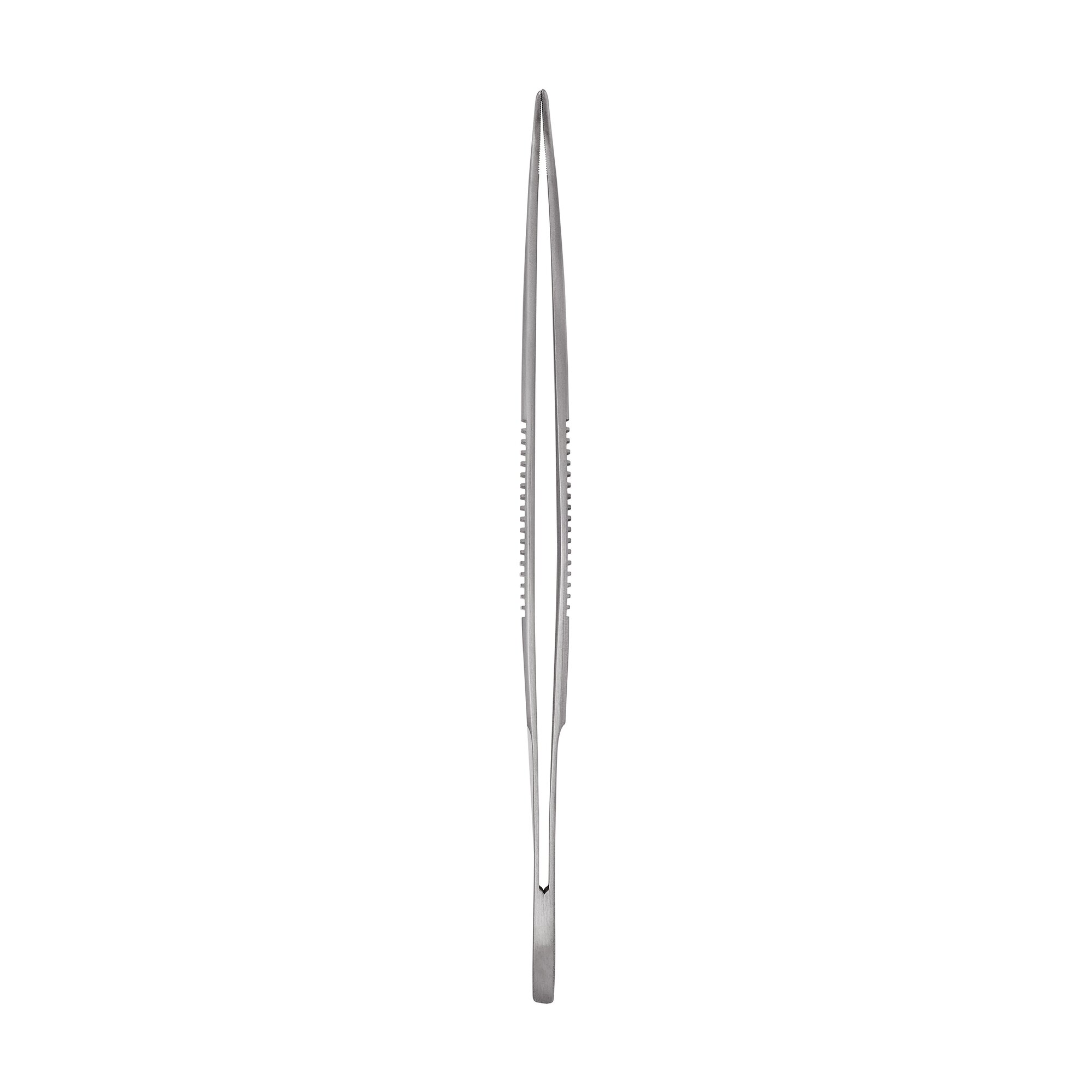
Graefe Forceps
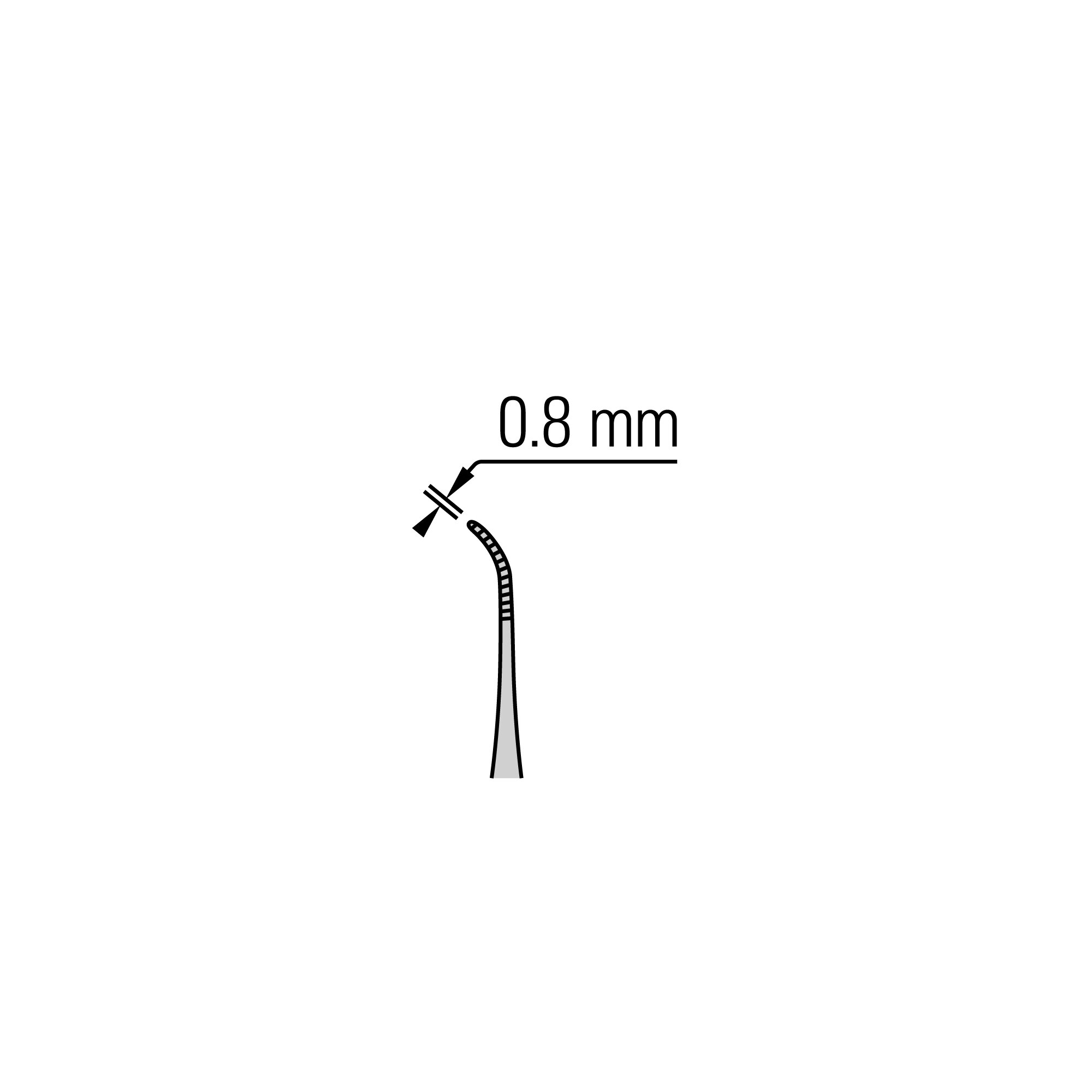
Graefe forceps are fine instruments which are available in 0.5 or 0.8 mm tip diameters.

The tips are either anatomical (serrated) or surgical (1x2 teeth).
Thanks to their wide range of variants, they have established themselves in many different applications.
Alloy / Material: Surgical Stainless Steel (Inox)
Length: 10 cm
Net Weight: 7 g
Tip Dimensions: 0.8 x 0.7 mm
Tip Shape: Slightly curved
Tip Width: 0.8 mm
Tips: Serrated
.webp)

Micro-Surgery
Explore All ProductsFine Science Tools Publications
Fine Science Tools microsurgery instruments — including forceps, scissors, and surgical clips — are standard in animal surgery labs worldwide. They are cited across thousands of neuroscience, physiology, and pharmacology studies involving rodent surgeries, stereotaxic procedures, and tissue preparation.
What is the Graefe Forceps used for in animal research?
The Graefe Forceps is a fine surgical instrument commonly used for ophthalmic and microsurgical procedures in small animals, including tissue grasping and wound closure in rodent models.
What material is the Graefe Forceps made from?
The Graefe Forceps is manufactured from high-grade surgical stainless steel, ensuring durability, corrosion resistance, and compatibility with standard sterilization protocols.
Is the Graefe Forceps autoclavable and reusable?
Yes. The Graefe Forceps withstands standard autoclave cycles (121°C, 15 min) and can be reused across multiple procedures when properly cleaned and inspected.
Which animal species is the Graefe Forceps appropriate for?
The Graefe Forceps is dimensioned for use with mice and rats, matching the anatomical scale of standard rodent models for safe and effective tissue manipulation.
What tip diameter options are available for the Graefe Forceps?
The Graefe Forceps is available with 0.5 mm or 0.8 mm tip diameters. The 0.5 mm tip is optimized for the most delicate micro-surgical tasks requiring precise tissue engagement, while the 0.8 mm tip provides a slightly firmer grip for general tissue manipulation and wound closure in rodent procedures.
Still have questions?
Request for Quote
Please fill in as much details as possible and we will take care of your request as soon as possible
Request for Quote
Please fill in as much details as possible and we will take care of your request as soon as possible