.svg)
How Do I Optimize My fNIRS Signal Quality?
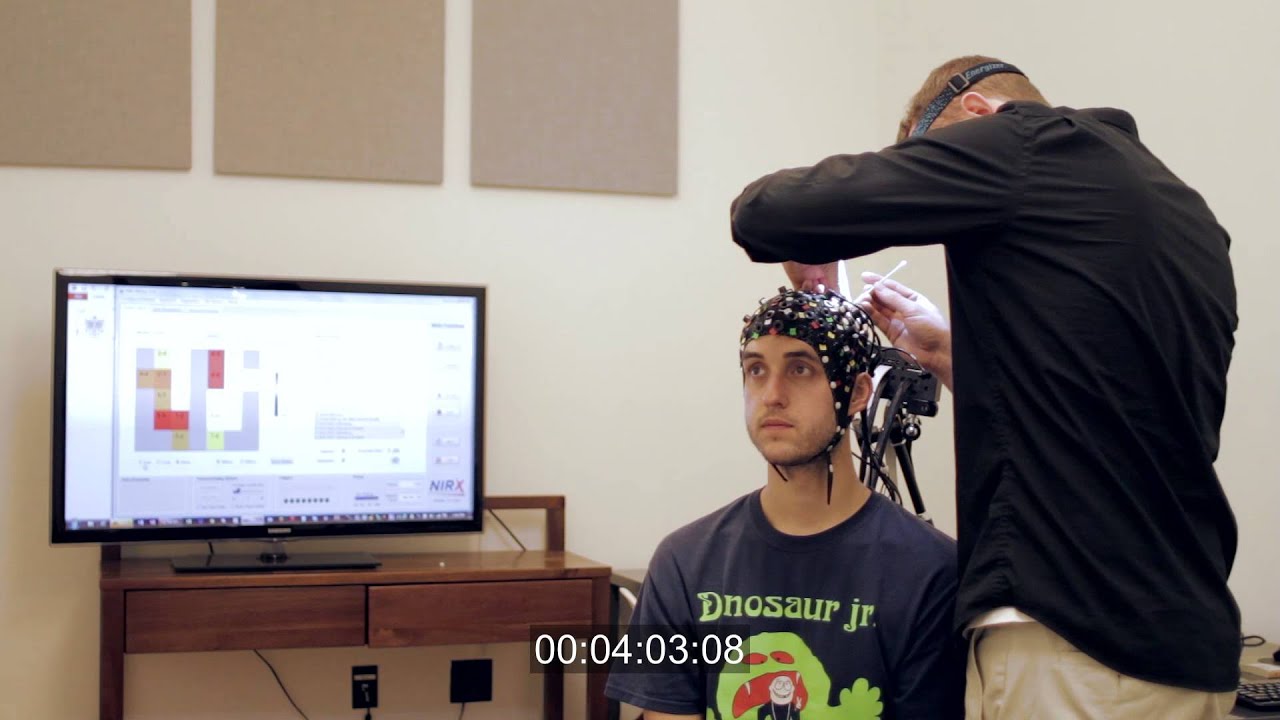
NIRx has released a video guide on fNIRS signal quality: quantitative and qualitative assessment, the problems that come up most often, and a real-time setup walkthrough.
Why Signal Quality Matters in fNIRS
Signal quality is one of the most critical factors determining the success of an fNIRS experiment. Poor signal quality can render data unusable and waste valuable experimental time. NIRx expert Demetris has created a step-by-step Signal Quality Guide video series to help researchers ensure excellent signal quality before beginning any experiment.
What the Video Guide Covers
The guide is divided into three parts, following the official Signal Quality Guidelines available as a PDF on the NIRx Support Site:
- Part 1 - Assessing Signal Quality: How to quantitatively and qualitatively evaluate your fNIRS signal, identifying what good versus poor signal looks like in the acquisition software.
- Part 2 - Troubleshooting: Step-by-step guidance on how to address common challenges when signal quality falls below expectations, including optode placement, hair management, and coupling adjustments.
- Part 3 - Real-Time Example: A live demonstration of setup, quality checks, and troubleshooting with the help of NIRx colleagues, showing the process from cap fitting to data acquisition.
Key Tips for Optimal Signal Quality
- Check optode coupling before starting any recording session
- Use the NIRx acquisition software's built-in signal quality indicators
- Follow systematic troubleshooting steps before concluding signal quality is unrecoverable
- Reference the Signal Quality Guidelines PDF available on the NIRx Support Site for detailed protocols
For more resources and the full video series, visit the NIRx Support Site or reach out to the NIRx team directly.
Source: NIRx blog.

Shall we chat about this topic?
Contact usRecent Blog Posts

.svg)
Advance Your Research
Contact NBT today for expert consultation on your neuroscience instrumentation needs.