.svg)
When the Mouse Gets Cold: Anesthesia-Induced Hypothermia and How to Prevent It
Mice cool quickly under anaesthesia, and heat loss often starts during prep rather than during the procedure. Kent Scientific sets out what drives the drop, what it costs in recovery and data variance, and the three-window warming workflow that prevents it.
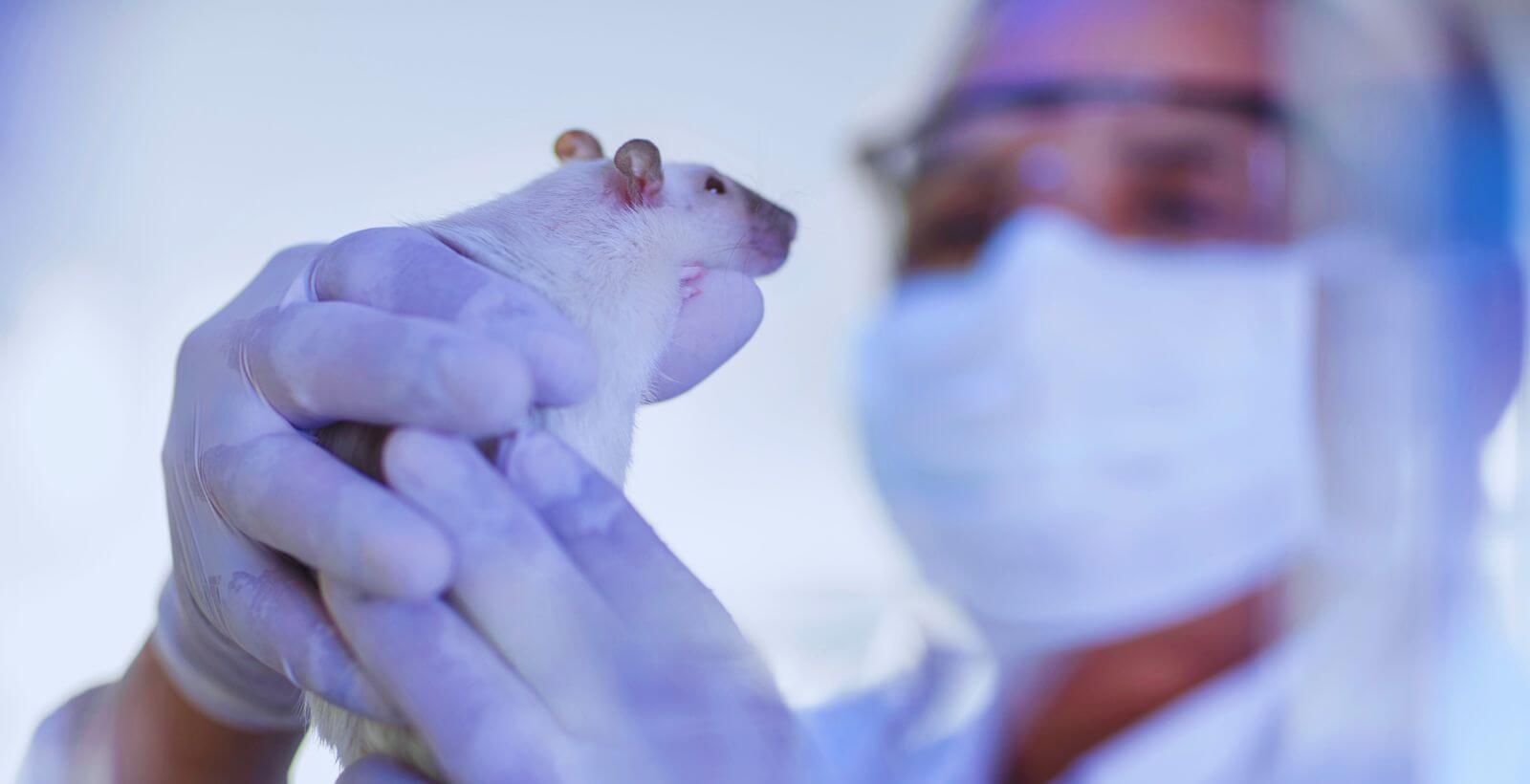
A mouse under anaesthesia loses heat fast, and it loses it early. Thermoregulation is blunted by the anaesthetic itself, surface area to body mass is high, and core temperature starts drifting well before anyone in the room notices. A recent piece on the Kent Scientific blog works through why it happens, what it costs you, and the warming workflow that actually prevents it.
The headline point is not complicated: warming has to be continuous, not occasional. Most warming failures are gaps.
Where the heat goes
Three things drive the drop, and only one of them is the anaesthetic.
- Blunted thermoregulation. Under anaesthesia, the normal compensatory responses are suppressed, so the animal cannot offset routine heat loss the way it would awake. Temperature falls even in short procedures.
- Prep, before the procedure starts. Aseptic scrub is an easy place to lose heat early, especially with repeated wet scrubs and alcohol-based steps. The article cites work quantifying the temperature drop associated with aseptic prep in laboratory mice - the clock is running before you make an incision.
- Limited thermal margin. High surface area relative to body mass means mice simply lose heat quickly. That is physiology, not technique, and it means warming has to start early and stay on.
What it costs you
As core temperature drops, heart rate slows and recovery times lengthen. Lower temperature changes physiology in ways that raise peri-operative risk and complicate recovery stability.
The point that matters most for study design is the third one: even when the animal recovers acceptably, temperature drift widens variance. For physiology-sensitive readouts that shows up as noise, and over time it shows up as larger sample sizes. Hypothermia is a data-quality problem as much as a welfare problem.
Three windows, no gaps
Kent frames prevention around three phases, and the argument is that a lapse in any one of them undoes the other two:
- Induction. Start warming at induction or immediately on transfer to the station. Waiting until you see a drop is already too late in a mouse.
- Maintenance. Keep warming through the full procedure, including setup steps and transitions - the cool surface during a transfer or an imaging step is exactly where the gap opens.
- Recovery. Continue until the animal meets defined recovery criteria. How long thermal support continues changes the outcome.
Core or surface?
Monitoring should match the procedure rather than default to whatever is easiest. For short cases, a core confirmation at defined points plus consistent warming can be enough. For longer procedures or physiology endpoints, core confirmation carries more weight. Surface checks help with recovery triage but do not substitute for core temperature when core status is what you need.
What matters more than the specific method is doing it the same way every time: same timing, same method, same recovery criteria.
A note on neonates
Neonatal rodents are a separate case. Some institutional SOPs permit controlled hypothermia (cryoanaesthesia) for short, minor procedures in very young pups under strict limits, though gas anaesthetics are often preferred for the greater control. This is age-limited, procedure-limited and protocol-driven - it is not a general anaesthesia method for older mice, and an IACUC exception may be needed even where it is allowed.
Standardising the station
The practical recommendation is to build the workflow into the room rather than into individual operators: warming in place before induction, maintained through the procedure, a recovery area set up identically every time, temperature checks written into the procedure steps, and minimal documentation of warming method, timing, checks and time-to-stable recovery.
That is refinement in the 3Rs sense, and it happens to reduce avoidable variability at the same time.
NBT supplies the Kent Scientific range in Israel, including SomnoSuite and SomnoFlo anaesthesia systems, RightTemp warming, PhysioSuite, MouseSTAT Jr. and the AniPill core temperature capsule. Get in touch and we can help you spec a station that keeps animals warm from induction through recovery.
Source: Kent Scientific blog.

NEED MORE INFORMATION ABOUT THIS PRODUCT?
Send us your emailRecent Blog Posts

.svg)

Advance Your Research
Contact NBT today for expert consultation on your neuroscience instrumentation needs.