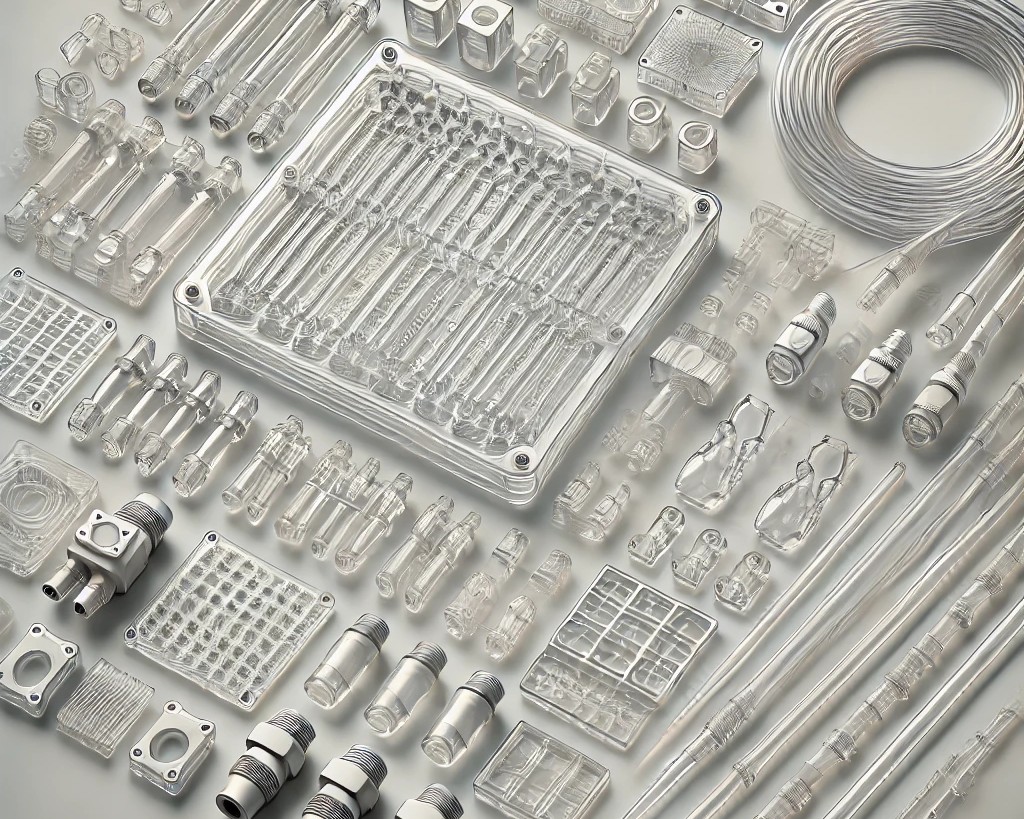
Microfluidics has transformed the way we handle small-scale fluid dynamics, but the choice of material plays a crucial role in ensuring reliability, precision, and compatibility—especially when working with biological samples. Biocompatible polymers have emerged as the go-to materials for microfluidic applications, offering a balance of flexibility, transparency, and chemical stability. Among these, PDMS (Polydimethylsiloxane) remains a staple, but newer alternatives like PMMA (hard thermoplastics), alginate-based hydrogels and Flexdym (soft thermoplastics) are gaining traction. Whether it’s for droplet formation, or biomedical research, the right material can make all the difference.




.svg)