.svg)
Tail-Cuff Blood Pressure in Mice and Rats: Do It Right So You Get Meaningful Data
Tail-cuff blood pressure in mice and rats can be fast, scalable and reliable, provided stress, tail perfusion, movement and session design are handled. What the method measures, and the failure modes that catch people out.
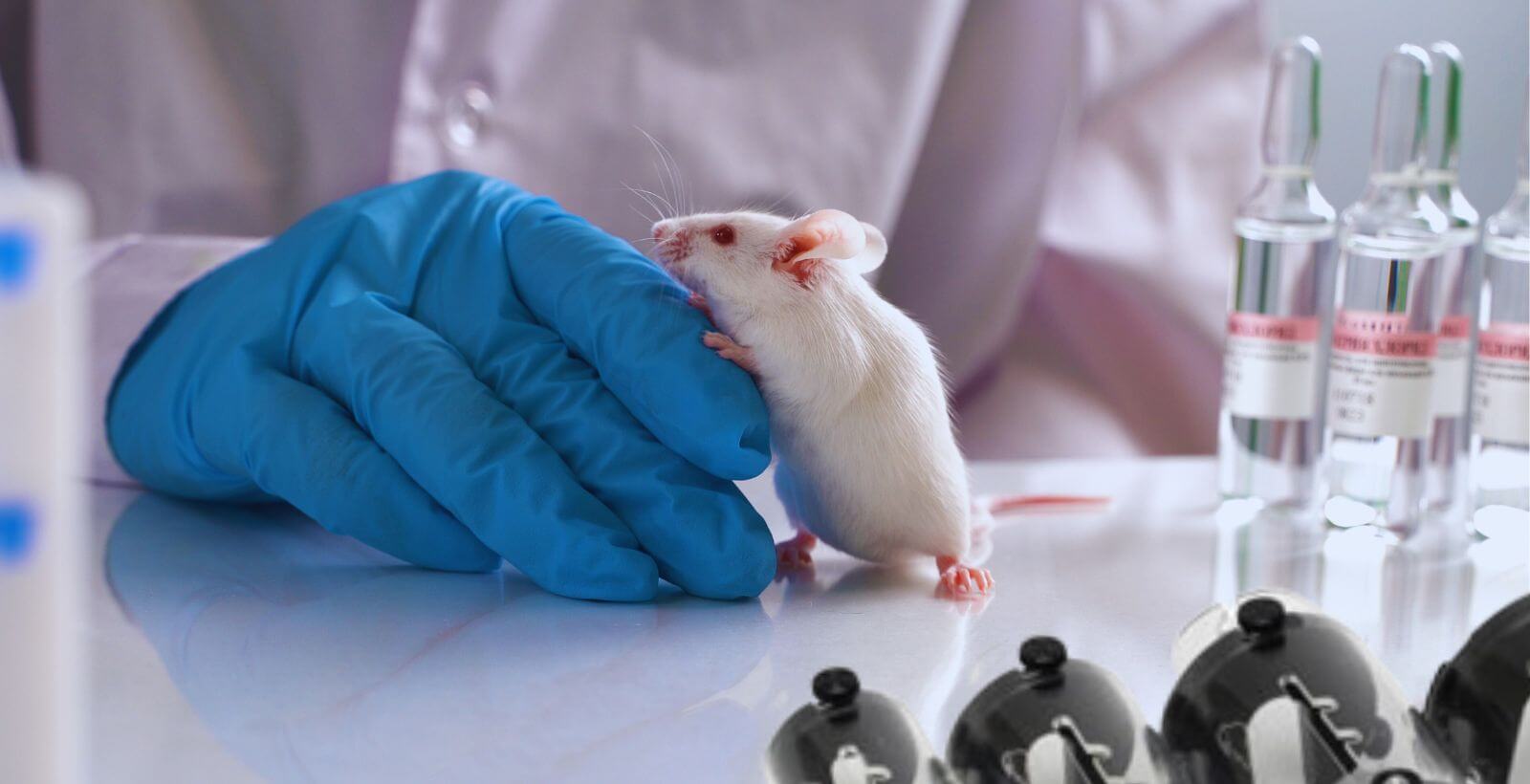
Tail-cuff blood pressure is one of the most practical ways to measure BP in mice and rats without surgically implanting devices. It scales well, it can be repeatable, and it's widely used for screening and cohort studies. The limitation isn't the method - it's the measurement site.
What Tail-Cuff Blood Pressure Is Really Measuring
Tail-cuff systems don't measure blood pressure at the heart. They detect changes in tail blood volume and flow while the cuff occludes and releases. That's why the same animal can produce clean cycles one day and garbage the next: the tail is the measurement site, and tail blood flow is sensitive to stress and temperature.
With Volume Pressure Recording (VPR), the system tracks tail blood volume changes during cuff cycling. If tail perfusion is poor, nothing downstream will save you - not software settings, not more cycles.
Acclimation Is the Data
If you're measuring awake animals, acclimation is where your non-invasive blood pressure monitor becomes a real tool instead of a coin flip. A mouse that's fighting restraint is giving you BP under stress plus motion artifacts. Short sessions, repeated exposure to the holder, consistent timing, and a stable environment teach the animal that the holder and cuff aren't a crisis.
Warming Isn't Just Comfort - It's Signal Quality
If blood vessels in the tail aren't dilated enough, you won't see signal. Warming is one of the most effective ways to improve tail perfusion - especially in mice, cold rooms, or sessions where handling has reduced peripheral flow. The goal is stable perfusion with repeatable conditions across animals and across days.
Awake vs. Anesthetized: Pick the Trade-Off You Can Defend
Awake measurements are closer to baseline but require acclimation discipline and consistent operator technique. Anesthesia typically reduces motion artifacts, but anesthetic depth, protocol, and temperature drift can significantly influence BP and heart rate. In anesthetized workflows, temperature control is not optional.
Common Failure Modes and Fixes
- Repeated cycle failures: Usually poor tail perfusion or a leaky cuff. Stabilize the basics: consistent warming, stabilization time after placement, correct cuff sizing, and better acclimation.
- Numbers jumping all over: Typically motion plus stress. You need the animal to settle and the environment to stop changing - you can't average your way out of panic.
- Values drifting during the session: Often temperature drift (especially anesthetized) or a session that's too long. Tighten the session and control what's drifting.
- Works in rats, falls apart in mice: Mice are less forgiving. Treat acclimation and warming as first-class requirements, not optional extras.
A Session Structure That Stays Honest
A solid session has three characteristics: the animal is given time to acclimate to the holder, perfusion conditions are consistent, and you run a defined number of cycles and report results with a consistent artifact rule. When you do that, tail-cuff blood pressure stops feeling like a magic trick and starts behaving like a measurement tool.
Source: Kent Scientific blog.

Shall we chat about this topic?
Contact usRecent Blog Posts

.svg)
Advance Your Research
Contact NBT today for expert consultation on your neuroscience instrumentation needs.